
Microplastics in Everyday Life: What They’re Doing to Your Body (and How to Reduce Them)
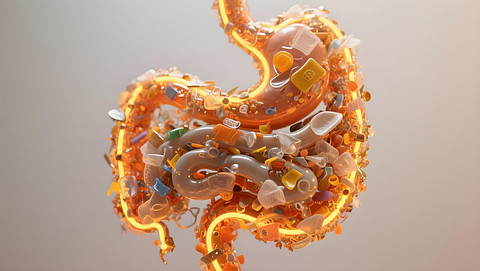
You’ve probably heard the word microplastics floating around in the news or on social media, but it’s easy to tune out—after all, plastic is everywhere. What difference could these tiny particles really make?
Quite a bit, actually.
Microplastics are showing up in the air we breathe, the water we drink, the food we eat, and even the dust that settles on our furniture. They’re so small you can’t see them, yet they quietly weave their way into nearly every part of modern life—and into our bodies.
Let’s take a closer look at what they are, where they hide, and what you can do to lessen your exposure.
What Are Microplastics?
Microplastics are tiny plastic fragments—smaller than 5 millimeters—that come from two main sources:
- Primary microplastics, intentionally made small (think microbeads once used in scrubs and toothpaste).
- Secondary microplastics, which form when larger plastics break down from sunlight, friction, or time.
Because plastic doesn’t biodegrade, it only gets smaller, never gone.
Where They Hide in Everyday Life
Even if you’ve sworn off plastic water bottles, these sneaky particles can still make their way into your day:
- Drinking water – both bottled and tap water contain microplastics.
- Tea bags – many “silky” tea bags are made of plastic that sheds particles when steeped in hot water.
- Food containers and wraps – especially when heated or reused.
- Synthetic fabrics – polyester, nylon, and spandex release microfibers every time you wash them.
- Dust – indoor dust contains microplastics from textiles, packaging, and flooring.
- Personal care products – exfoliating scrubs, glitter, and some cosmetics still include microplastic ingredients.
What Microplastics May Be Doing to the Body
The science is still evolving, but early research paints a concerning picture. Microplastics have been found in human lungs, blood, and even placental tissue. Here’s why that matters:
- Inflammation and immune stress – the body treats microplastics like invaders, triggering inflammation.
- Endocrine disruption – plastics often carry additives like phthalates and BPA that can interfere with hormones.
- Oxidative stress – exposure can increase free radicals, taxing the body’s detox systems.
- Gut imbalance – microplastics may disrupt beneficial bacteria or damage the intestinal lining.
For sensitive systems—children, developing babies, and anyone already managing inflammation or toxicity—the effects can be amplified.
How to Lessen Microplastics in Your World
You can’t eliminate them completely, but small, consistent changes make a big difference:
- Filter your water – use a high-quality carbon or reverse-osmosis filter to reduce microplastics and chemical residues.
- Avoid heating food in plastic – glass or stainless-steel containers are safer choices.
- Choose natural fabrics – opt for cotton, linen, or wool instead of synthetics when possible.
- Wash smarter – use a microfiber-catching laundry bag or filter to keep fibers out of the water system.
- Skip bottled water – most bottled water contains far more microplastics than tap.
- Air out your home – fresh air and regular dusting with a damp cloth help reduce airborne particles.
- Buy in bulk or refill – less packaging means fewer plastics entering your space.
- Choose clean personal care – look for “microbead-free” and “plastic-free” labels on scrubs, lotions, and toothpaste.
Support Your Body’s Natural Detox Pathways
Even with your best efforts, exposure happens. Support your system by:
- Staying hydrated so the body can flush toxins efficiently.
- Eating fiber-rich, whole foods to bind and move waste through.
- Using sea vegetables, cilantro, or chlorella to support gentle detox.
- Practicing energy work or breathwork to keep your system flowing—detox isn’t just physical.
Bringing It Back to Awareness
The goal isn’t fear—it’s empowerment. Microplastics remind us how connected everything is: what we make, use, and discard eventually comes back into our bodies and energy fields. When we choose consciously, we heal not just ourselves but the collective environment.
Want to Explore Your Body’s Toxic Load?
At SoulQuirk, I help clients uncover how environmental toxins—like microplastics, heavy metals, and chemicals—affect their energy and biology. Through intuitive and energetic testing, we can identify where your system is overloaded and what it needs to restore balance.
Explore More About Energy Healing Services] to discover what your body is ready to release, so you can feel clearer, lighter, and more aligned with the earth that sustains you.
If this article resonated, come explore more at SoulQuirk.com
Microplastics in Everyday Life: What They’re Doing to Your Body (and How to Reduce Them)
You’ve probably heard the word microplastics floating around in the news or on social media, but it’s easy to tune out—after all, plastic is everywhere. What difference could these tiny particles really make?
Quite a bit, actually.
Microplastics are showing up in the air we breathe, the water we drink, the food we eat, and even the dust that settles on our furniture. They’re so small you can’t see them, yet they quietly weave their way into nearly every part of modern life—and into our bodies.
Let’s take a closer look at what they are, where they hide, and what you can do to lessen your exposure.
What Are Microplastics?
Microplastics are tiny plastic fragments—smaller than 5 millimeters—that come from two main sources:
- Primary microplastics, intentionally made small (think microbeads once used in scrubs and toothpaste).
- Secondary microplastics, which form when larger plastics break down from sunlight, friction, or time.
Because plastic doesn’t biodegrade, it only gets smaller, never gone.
Where They Hide in Everyday Life
Even if you’ve sworn off plastic water bottles, these sneaky particles can still make their way into your day:
- Drinking water – both bottled and tap water contain microplastics.
- Tea bags – many “silky” tea bags are made of plastic that sheds particles when steeped in hot water.
- Food containers and wraps – especially when heated or reused.
- Synthetic fabrics – polyester, nylon, and spandex release microfibers every time you wash them.
- Dust – indoor dust contains microplastics from textiles, packaging, and flooring.
- Personal care products – exfoliating scrubs, glitter, and some cosmetics still include microplastic ingredients.
What Microplastics May Be Doing to the Body
The science is still evolving, but early research paints a concerning picture. Microplastics have been found in human lungs, blood, and even placental tissue. Here’s why that matters:
- Inflammation and immune stress – the body treats microplastics like invaders, triggering inflammation.
- Endocrine disruption – plastics often carry additives like phthalates and BPA that can interfere with hormones.
- Oxidative stress – exposure can increase free radicals, taxing the body’s detox systems.
- Gut imbalance – microplastics may disrupt beneficial bacteria or damage the intestinal lining.
For sensitive systems—children, developing babies, and anyone already managing inflammation or toxicity—the effects can be amplified.
How to Lessen Microplastics in Your World
You can’t eliminate them completely, but small, consistent changes make a big difference:
- Filter your water – use a high-quality carbon or reverse-osmosis filter to reduce microplastics and chemical residues.
- Avoid heating food in plastic – glass or stainless-steel containers are safer choices.
- Choose natural fabrics – opt for cotton, linen, or wool instead of synthetics when possible.
- Wash smarter – use a microfiber-catching laundry bag or filter to keep fibers out of the water system.
- Skip bottled water – most bottled water contains far more microplastics than tap.
- Air out your home – fresh air and regular dusting with a damp cloth help reduce airborne particles.
- Buy in bulk or refill – less packaging means fewer plastics entering your space.
- Choose clean personal care – look for “microbead-free” and “plastic-free” labels on scrubs, lotions, and toothpaste.
Support Your Body’s Natural Detox Pathways
Even with your best efforts, exposure happens. Support your system by:
- Staying hydrated so the body can flush toxins efficiently.
- Eating fiber-rich, whole foods to bind and move waste through.
- Using sea vegetables, cilantro, or chlorella to support gentle detox.
- Practicing energy work or breathwork to keep your system flowing—detox isn’t just physical.
Bringing It Back to Awareness
The goal isn’t fear—it’s empowerment. Microplastics remind us how connected everything is: what we make, use, and discard eventually comes back into our bodies and energy fields. When we choose consciously, we heal not just ourselves but the collective environment.
Want to Explore Your Body’s Toxic Load?
At SoulQuirk, I help clients uncover how environmental toxins—like microplastics, heavy metals, and chemicals—affect their energy and biology. Through intuitive and energetic testing, we can identify where your system is overloaded and what it needs to restore balance.
Explore More About Energy Healing Services] to discover what your body is ready to release, so you can feel clearer, lighter, and more aligned with the earth that sustains you.
If this article resonated, come explore more at SoulQuirk.com
Related Content

You Clean Your Outside Daily…But What About the Inside?
| Detoxification, Whole Food
Microplastics in Everyday Life: What They’re Doing to Your Body (and How to Reduce Them)
| Detoxification

Detoxing the Environment for Baby: Creating a Cleaner Start from Day One
| Detoxification
Is Organic Really Worth It? When to Say Yes (and When to Let It Go)
| Detoxification, Whole Food
Toxic Load 101: What It Is and Why Your Body Cares
| Detoxification