
Is Organic Really Worth It? When to Say Yes (and When to Let It Go)
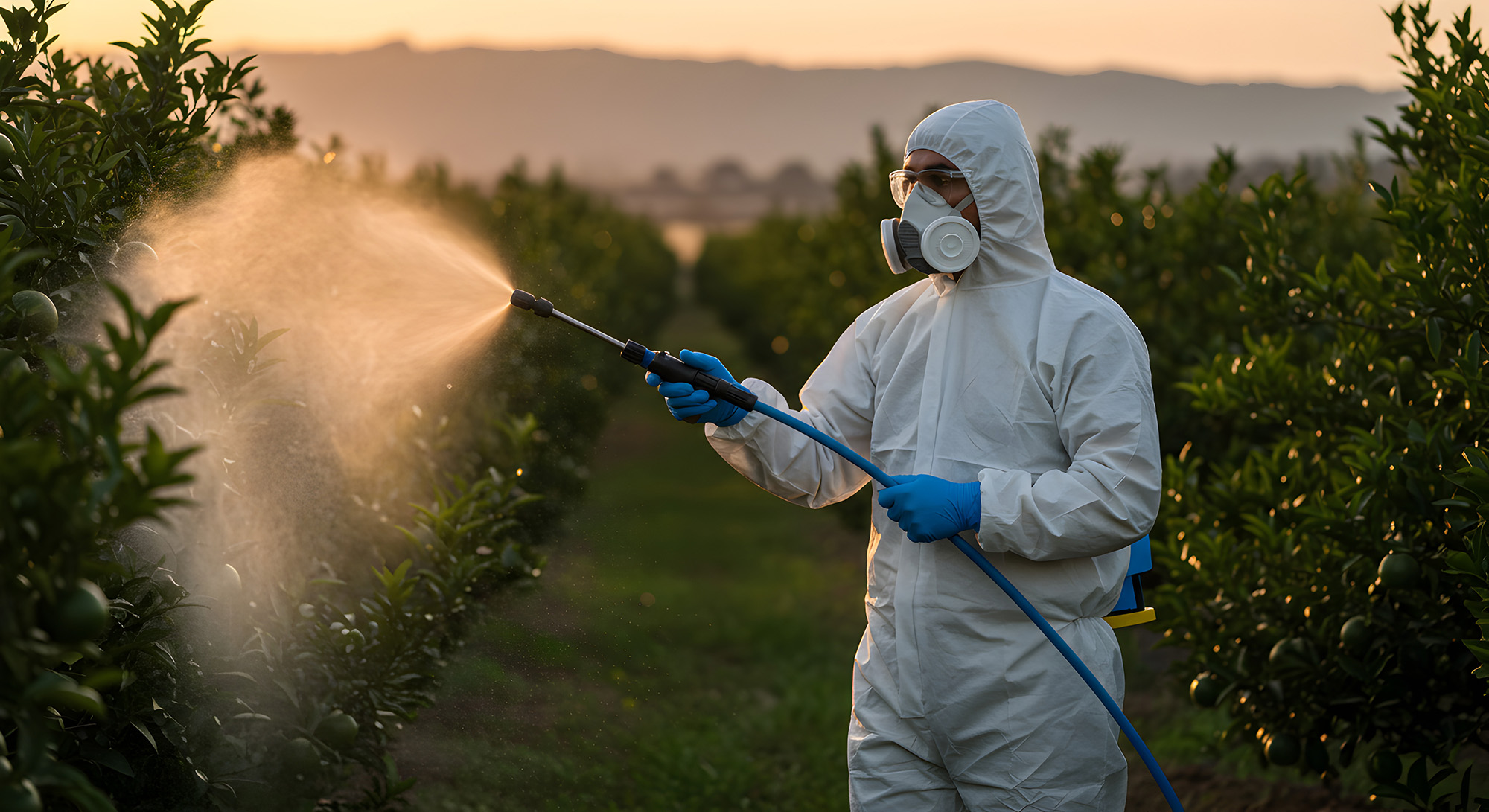
For some people, organic is a lifestyle. For others, it feels like a luxury. And for many, it’s just plain confusing—because of course we want to eat clean, but do we really need to take out a second mortgage to do it?
Let’s take a breath and break it down. Here’s the real scoop on organic food: what it means, why it matters, and how to make smart choices without spiraling in the grocery aisle.
What Does “Organic” Actually Mean?
In the U.S., the organic label means the food was grown or raised without:
- Synthetic pesticides or herbicides (like glyphosate)
- Genetically modified organisms (GMOs)
- Antibiotics or growth hormones (for meat and dairy)
- Synthetic fertilizers, sewage sludge, or irradiation
It also means animals should have more humane conditions, access to the outdoors, and be fed an organic diet.
So yes—organic generally means cleaner food, fewer chemicals, and better farming practices. But that doesn’t mean it’s always necessary… or always perfect.
When Choosing Organic Matters Most
If you’re trying to reduce your toxin load, support your gut, balance hormones, or simply give your body less to process, here are the highest-impact areas to prioritize:
1. The Dirty Dozen
Each year, the Environmental Working Group (EWG) publishes a list of produce with the highest pesticide residues. The usual suspects include strawberries, spinach, kale, apples, peaches, grapes, bell peppers, and blueberries. If it’s thin-skinned or you eat the whole thing, buying organic is worth considering.
2. Animal Products (Meat, Eggs, Dairy)
Animals store toxins in their fat—just like humans. Choosing organic, pasture-raised, or grass-fed/finished options helps reduce exposure to antibiotics, hormones, and chemicals that can end up in your food.
3. Coffee and Tea
If you’re drinking it daily, it’s worth paying attention. Conventional coffee and tea are often heavily sprayed. Organic, fair trade, and shade-grown options are better choices for both health and sustainability.
4. Baby and Toddler Foods
Little ones are more sensitive because their detox pathways are still developing. Organic foods can help reduce their exposure during these important early years.
When You Don’t Need to Stress Over Organic
There’s also the Clean Fifteen—produce that tends to have low pesticide residue even when grown conventionally. Think avocados, pineapples, onions, sweet corn, cabbage, mushrooms, and melons.
In general, if it has a thick peel you don’t eat, like bananas or oranges, you can usually buy conventional with less worry. And if your choice is between conventional produce or no produce at all? Always choose the food. Nourishment matters more than perfection.
Tips to Make Organic Easier
- Shop local. Many small farms use organic practices even if they’re not certified. Certification is expensive, so asking questions at the market can go a long way.
- Buy in season. Seasonal produce is usually cheaper, fresher, and more nutrient-dense.
- Prioritize by volume. Start with the foods you eat most often—those swaps make the biggest impact.
- Wash produce well. Even organic fruits and veggies benefit from a rinse.
- Know your farmers. A real conversation about growing practices often tells you more than a label.
Want to Know What Your Body Needs Most Right Now?
At SoulQuirk, I offer intuitive energy healing sessions that can include food resonance testing. Together we can explore:
- Which foods are most supportive for your body (organic or not)
- Whether pesticide residue, mold, or additives are stressing your system
- What nutrients you may be missing—even with a healthy diet
- How your emotional or energetic terrain affects your ability to absorb nutrition
Food choices don’t have to be overwhelming. [Learn More about my Sessions] and let’s take the stress out of eating “right” so you can bring joy back into nourishing your body well.
If this article sparked your curiosity, explore more at SoulQuirk.com
Is Organic Really Worth It? When to Say Yes (and When to Let It Go)
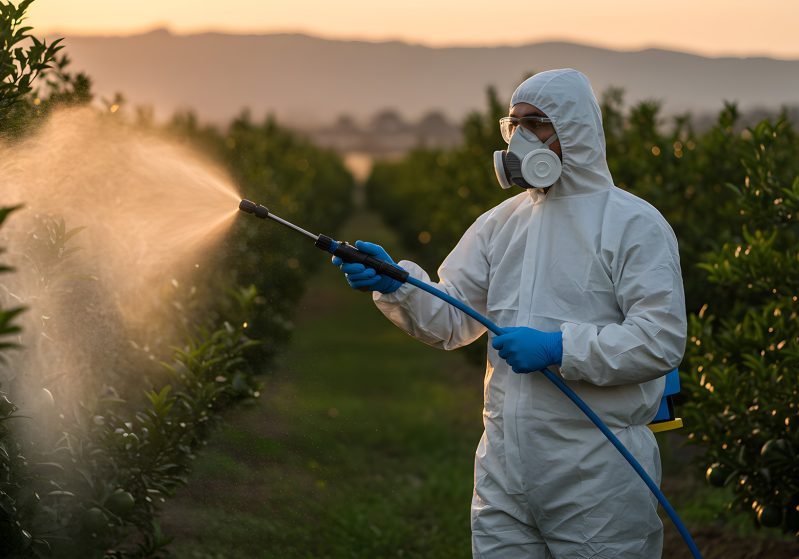
For some people, organic is a lifestyle. For others, it feels like a luxury. And for many, it’s just plain confusing—because of course we want to eat clean, but do we really need to take out a second mortgage to do it?
Let’s take a breath and break it down. Here’s the real scoop on organic food: what it means, why it matters, and how to make smart choices without spiraling in the grocery aisle.
What Does “Organic” Actually Mean?
In the U.S., the organic label means the food was grown or raised without:
- Synthetic pesticides or herbicides (like glyphosate)
- Genetically modified organisms (GMOs)
- Antibiotics or growth hormones (for meat and dairy)
- Synthetic fertilizers, sewage sludge, or irradiation
It also means animals should have more humane conditions, access to the outdoors, and be fed an organic diet.
So yes—organic generally means cleaner food, fewer chemicals, and better farming practices. But that doesn’t mean it’s always necessary… or always perfect.
When Choosing Organic Matters Most
If you’re trying to reduce your toxin load, support your gut, balance hormones, or simply give your body less to process, here are the highest-impact areas to prioritize:
1. The Dirty Dozen
Each year, the Environmental Working Group (EWG) publishes a list of produce with the highest pesticide residues. The usual suspects include strawberries, spinach, kale, apples, peaches, grapes, bell peppers, and blueberries. If it’s thin-skinned or you eat the whole thing, buying organic is worth considering.
2. Animal Products (Meat, Eggs, Dairy)
Animals store toxins in their fat—just like humans. Choosing organic, pasture-raised, or grass-fed/finished options helps reduce exposure to antibiotics, hormones, and chemicals that can end up in your food.
3. Coffee and Tea
If you’re drinking it daily, it’s worth paying attention. Conventional coffee and tea are often heavily sprayed. Organic, fair trade, and shade-grown options are better choices for both health and sustainability.
4. Baby and Toddler Foods
Little ones are more sensitive because their detox pathways are still developing. Organic foods can help reduce their exposure during these important early years.
When You Don’t Need to Stress Over Organic
There’s also the Clean Fifteen—produce that tends to have low pesticide residue even when grown conventionally. Think avocados, pineapples, onions, sweet corn, cabbage, mushrooms, and melons.
In general, if it has a thick peel you don’t eat, like bananas or oranges, you can usually buy conventional with less worry. And if your choice is between conventional produce or no produce at all? Always choose the food. Nourishment matters more than perfection.
Tips to Make Organic Easier
- Shop local. Many small farms use organic practices even if they’re not certified. Certification is expensive, so asking questions at the market can go a long way.
- Buy in season. Seasonal produce is usually cheaper, fresher, and more nutrient-dense.
- Prioritize by volume. Start with the foods you eat most often—those swaps make the biggest impact.
- Wash produce well. Even organic fruits and veggies benefit from a rinse.
- Know your farmers. A real conversation about growing practices often tells you more than a label.
Want to Know What Your Body Needs Most Right Now?
At SoulQuirk, I offer intuitive energy healing sessions that can include food resonance testing. Together we can explore:
- Which foods are most supportive for your body (organic or not)
- Whether pesticide residue, mold, or additives are stressing your system
- What nutrients you may be missing—even with a healthy diet
- How your emotional or energetic terrain affects your ability to absorb nutrition
Food choices don’t have to be overwhelming. [Learn More about my Sessions] and let’s take the stress out of eating “right” so you can bring joy back into nourishing your body well.
If this article sparked your curiosity, explore more at SoulQuirk.com
Related Content

You Clean Your Outside Daily…But What About the Inside?
| Detoxification, Whole Food

Iron Deficiency Isn’t Always About Iron
| Whole Food
Microplastics in Everyday Life: What They’re Doing to Your Body (and How to Reduce Them)
| Detoxification

Is Every Illness a Nutrient Deficiency in Disguise?
| Whole Food
Essential vs. Non-Essential Nutrients: What’s the Real Difference?
| Whole Food
