
You Clean Your Outside Daily…But What About the Inside?

Understanding How Your Body Detoxes (And Whether It Might Need Support).
Most of us wouldn’t dream of skipping basic hygiene. We shower. Wash our hands. Brush our teeth. Clean our hair. Care for our skin.
External cleanliness is automatic.
But internal cleanliness? That rarely crosses the mind unless something feels off.
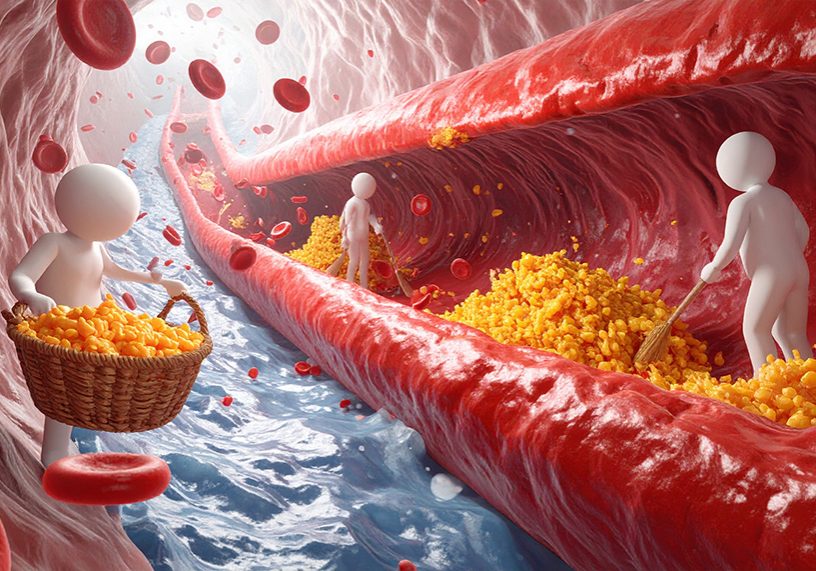
Here’s the reality: your body is also constantly cleaning itself on the inside. Filtering. Breaking down. Sorting what belongs from what doesn’t. Getting rid of what shouldn’t stay.
And just like your home, if the cleaning systems don’t have what they need—or get overwhelmed—things start to build up.
Quietly. Gradually. Over years.
Your Body Is Designed to Detox Every Day
Detox isn’t a trend. Your body does it all day, every day.
You’re constantly processing:
• Chemicals from the environment
• Additives and residues in food
• Normal waste from your own metabolism
• Hormone leftovers after they’ve done their job
• Pollutants from air and water
• Cellular “garbage” from daily wear and tear
This isn’t optional work. It’s basic housekeeping.
Your body’s job is to take what’s useful and escort out what isn’t.
And detox isn’t just about the liver. It’s a whole-body team effort with several exit routes working together.
The Five Main Detox Pathways
When people hear detox, they often picture juice cleanses or liver flushes. But your body actually clears waste through several natural pathways at the same time.
Urinary System
Your kidneys are like constant water filters. They pull waste out of your blood and send it out through urine.
This works best when you have:
• Enough fluids
• Good mineral balance
• Healthy circulation
• Upstream detox working well
If you’re dehydrated or overloaded, waste becomes more concentrated.
Digestive Tract
Your liver packages waste and sends it into bile, which moves into your stool.
This pathway depends on:
• Good bile flow
• Regular bowel movements
• Fiber to carry waste out
• A balanced gut
If bowel movements are slow or irregular, some waste can be reabsorbed instead of leaving.
Skin
Your skin also eliminates through sweat.
This depends on:
• Circulation
• Hydration
• Minerals
• The ability to sweat
If you rarely sweat or pores are congested, this exit route contributes less.
Lungs
Every exhale releases waste gases.
This relies on:
• Deep breathing
• Lung capacity
• Air quality
• Movement
Shallow breathing means less waste leaves this way.
Lymphatic System
Lymph is your body’s waste-moving fluid. It carries debris and immune waste toward disposal points.
Unlike blood, lymph has no pump. It moves through:
• Movement
• Muscle activity
• Breathing
• Hydration
Sitting a lot slows this system down.
What Happens When Detox Slows Down
Your body always chooses safety first.
If the cleaning systems can’t keep up with what’s coming in, the body stores the excess.
Common storage spots include:
• Fat tissue
• Connective tissue
• Lymph spaces
• Cells themselves
At first, this is protective.
But over time, buildup can contribute to:
• Inflammation
• Fatigue
• Skin issues
• Brain fog
• Hormone imbalance
• Sensitivity
It’s not just about how much you’re exposed to. It’s about how well you can clear it.
Why Modern Life Increases the Load
We’re living in a world full of substances our bodies didn’t evolve with.
Tens of thousands of man-made chemicals now exist in:
• Air
• Water
• Food
• Packaging
• Personal care products
• Household products
Many are unfamiliar to the body. They have to be sorted, processed, and eliminated.
That takes nutrients and energy.
If supplies are low—or metabolism is sluggish—the process slows. And storage increases.
Detox Requires Raw Materials
Your body needs actual nutritional building blocks to neutralize and remove waste.
These include:
• Protein building blocks
• Antioxidants
• Minerals
• Plant compounds
• Healthy fats
• Water
Think of these as the tools and cleaning supplies.
Without enough of them, detox can stall halfway. Waste can linger. The system backs up.
This is why nourishment matters just as much as reducing exposure.
Signs Your Detox Systems May Need Support
You don’t need extreme symptoms to consider internal cleaning support.
Common gentle signals include:
• Low energy
• Skin congestion
• Brain fog
• Bloating or slow digestion
• Sensitivity to smells or chemicals
• Feeling heavy or inflamed
These don’t prove toxin overload. They simply suggest your clearance capacity may be strained.
Supporting the Body’s Natural Detox
The goal isn’t forcing detox. It’s helping what your body already does.
That includes:
• Drinking enough water
• Eating nutrient-dense whole foods
• Getting fiber and regular digestion
• Moving to support lymph flow
• Sweating and circulation
• Breathing deeply
• Resting for repair
When input and output rebalance, stored burden can gradually decrease.
A Gentle Place to Start
Many people benefit from structured nutrition that supplies detox building blocks while lowering incoming load.
If you’re curious about supporting your body’s natural purification pathways, I often recommend a guided food-based approach like the Standard Process 21-Day Purification Program.
You can learn more or explore whether it’s appropriate for you here:
[link to Standard Process 21-Day Purification ]
Your body already knows how to clean itself.
Sometimes it just needs enough support to finish the job.
You Clean Your Outside Daily…But What About the Inside?
Understanding How Your Body Detoxes (And Whether It Might Need Support).
Most of us wouldn’t dream of skipping basic hygiene. We shower. Wash our hands. Brush our teeth. Clean our hair. Care for our skin.
External cleanliness is automatic.
But internal cleanliness? That rarely crosses the mind unless something feels off.
Here’s the reality: your body is also constantly cleaning itself on the inside. Filtering. Breaking down. Sorting what belongs from what doesn’t. Getting rid of what shouldn’t stay.
And just like your home, if the cleaning systems don’t have what they need—or get overwhelmed—things start to build up.
Quietly. Gradually. Over years.
Your Body Is Designed to Detox Every Day
Detox isn’t a trend. Your body does it all day, every day.
You’re constantly processing:
• Chemicals from the environment
• Additives and residues in food
• Normal waste from your own metabolism
• Hormone leftovers after they’ve done their job
• Pollutants from air and water
• Cellular “garbage” from daily wear and tear
This isn’t optional work. It’s basic housekeeping.
Your body’s job is to take what’s useful and escort out what isn’t.
And detox isn’t just about the liver. It’s a whole-body team effort with several exit routes working together.
The Five Main Detox Pathways
When people hear detox, they often picture juice cleanses or liver flushes. But your body actually clears waste through several natural pathways at the same time.
Urinary System
Your kidneys are like constant water filters. They pull waste out of your blood and send it out through urine.
This works best when you have:
• Enough fluids
• Good mineral balance
• Healthy circulation
• Upstream detox working well
If you’re dehydrated or overloaded, waste becomes more concentrated.
Digestive Tract
Your liver packages waste and sends it into bile, which moves into your stool.
This pathway depends on:
• Good bile flow
• Regular bowel movements
• Fiber to carry waste out
• A balanced gut
If bowel movements are slow or irregular, some waste can be reabsorbed instead of leaving.
Skin
Your skin also eliminates through sweat.
This depends on:
• Circulation
• Hydration
• Minerals
• The ability to sweat
If you rarely sweat or pores are congested, this exit route contributes less.
Lungs
Every exhale releases waste gases.
This relies on:
• Deep breathing
• Lung capacity
• Air quality
• Movement
Shallow breathing means less waste leaves this way.
Lymphatic System
Lymph is your body’s waste-moving fluid. It carries debris and immune waste toward disposal points.
Unlike blood, lymph has no pump. It moves through:
• Movement
• Muscle activity
• Breathing
• Hydration
Sitting a lot slows this system down.
What Happens When Detox Slows Down
Your body always chooses safety first.
If the cleaning systems can’t keep up with what’s coming in, the body stores the excess.
Common storage spots include:
• Fat tissue
• Connective tissue
• Lymph spaces
• Cells themselves
At first, this is protective.
But over time, buildup can contribute to:
• Inflammation
• Fatigue
• Skin issues
• Brain fog
• Hormone imbalance
• Sensitivity
It’s not just about how much you’re exposed to. It’s about how well you can clear it.
Why Modern Life Increases the Load
We’re living in a world full of substances our bodies didn’t evolve with.
Tens of thousands of man-made chemicals now exist in:
• Air
• Water
• Food
• Packaging
• Personal care products
• Household products
Many are unfamiliar to the body. They have to be sorted, processed, and eliminated.
That takes nutrients and energy.
If supplies are low—or metabolism is sluggish—the process slows. And storage increases.
Detox Requires Raw Materials
Your body needs actual nutritional building blocks to neutralize and remove waste.
These include:
• Protein building blocks
• Antioxidants
• Minerals
• Plant compounds
• Healthy fats
• Water
Think of these as the tools and cleaning supplies.
Without enough of them, detox can stall halfway. Waste can linger. The system backs up.
This is why nourishment matters just as much as reducing exposure.
Signs Your Detox Systems May Need Support
You don’t need extreme symptoms to consider internal cleaning support.
Common gentle signals include:
• Low energy
• Skin congestion
• Brain fog
• Bloating or slow digestion
• Sensitivity to smells or chemicals
• Feeling heavy or inflamed
These don’t prove toxin overload. They simply suggest your clearance capacity may be strained.
Supporting the Body’s Natural Detox
The goal isn’t forcing detox. It’s helping what your body already does.
That includes:
• Drinking enough water
• Eating nutrient-dense whole foods
• Getting fiber and regular digestion
• Moving to support lymph flow
• Sweating and circulation
• Breathing deeply
• Resting for repair
When input and output rebalance, stored burden can gradually decrease.
A Gentle Place to Start
Many people benefit from structured nutrition that supplies detox building blocks while lowering incoming load.
If you’re curious about supporting your body’s natural purification pathways, I often recommend a guided food-based approach like the Standard Process 21-Day Purification Program.
You can learn more or explore whether it’s appropriate for you here:
[link to Standard Process 21-Day Purification ]
Your body already knows how to clean itself.
Sometimes it just needs enough support to finish the job.
Related Content
You Clean Your Outside Daily…But What About the Inside?
| Detoxification, Whole Food

Iron Deficiency Isn’t Always About Iron
| Whole Food
Microplastics in Everyday Life: What They’re Doing to Your Body (and How to Reduce Them)
| Detoxification

Is Every Illness a Nutrient Deficiency in Disguise?
| Whole Food
Essential vs. Non-Essential Nutrients: What’s the Real Difference?
| Whole Food
