
Whole Food Concentrates vs. Vitamin Isolates: What’s the Real Difference?

Walking through the supplement aisle can feel overwhelming. Every label is filled with terms like whole food, raw, natural, chelated, bioavailable, isolated—and it’s hard to know what actually matters.
If your goal is real wellness (not just popping pills and hoping for the best), one distinction rises above the rest: whole food concentrates vs. vitamin isolates.
And no, they’re not created equal.
What Are Vitamin Isolates?
Vitamin isolates are individual nutrients that have been separated from their original food source—or, more often, made synthetically in a lab. On a supplement label, they usually look like this:
- Ascorbic acid (Vitamin C)
- Cyanocobalamin (Vitamin B12)
- DL-alpha tocopherol (Vitamin E)
These nutrients are presented on their own, stripped of the enzymes, cofactors, and phytonutrients that would normally be there in nature. It’s a little like pulling the lead singer out of a band and expecting the music to sound the same. Technically it works, but it loses the richness and harmony.
What Are Whole Food Concentrates?
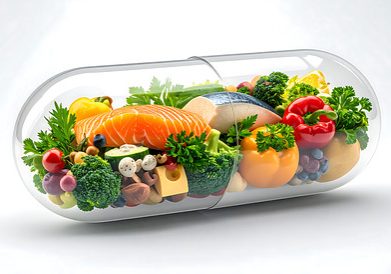
Whole food concentrates are nutrients taken directly from real food sources. Instead of isolating a single vitamin, they bring along everything nature intended—vitamins, minerals, enzymes, and synergistic compounds that help your body actually use the nutrition.
Think about eating an orange. You’re not just getting vitamin C—you’re getting fiber, flavonoids, enzymes, and plant compounds that help that vitamin C absorb and function. That’s the wisdom whole food concentrates honor.
Why the Difference Matters
Your body is designed to recognize and use nutrients in the form they appear in nature. Whole food concentrates are generally more bioavailable, meaning your body absorbs and uses them more effectively. They’re gentler, easier to tolerate, and less likely to create imbalances.
With isolates, you might take in a large dose of one nutrient, but without its natural cofactors your body can’t activate it properly. The result? You eliminate much of it unused—what many practitioners call “expensive pee.”
When to Be Careful with Isolates
Vitamin isolates aren’t always wrong. In certain cases—like when someone has a true deficiency or a short-term medical need—isolates can be useful. But for everyday foundational wellness, especially when you’re supporting energy, hormones, digestion, or emotional balance, whole food concentrates tend to work more harmoniously with the body.
Why I Choose Whole Food
In my practice, I lean toward whole food concentrates whenever possible. They align with how the body is wired to heal and integrate, especially when working on the emotional body and energy field. They support, rather than overwhelm, the system.
Want Help Choosing the Right Supplements for You?
At SoulQuirk, I offer intuitive energy healing sessions that can include energetic testing for supplements, foods, and nutrients. This helps identify:
- What your body actually needs (and what it doesn’t)
- Whether your current supplements are supporting you
- If your system reacts to synthetic isolates
- The root causes behind symptoms you may be experiencing
Your body already knows what it needs. Together, we can listen and bring your nutrition into alignment.
Learn More about My Energy Sessions and let’s make sure your supplements are working with your energy, not against it.
If this article resonated, explore more at SoulQuirk.com
Whole Food Concentrates vs. Vitamin Isolates: What’s the Real Difference?
Walking through the supplement aisle can feel overwhelming. Every label is filled with terms like whole food, raw, natural, chelated, bioavailable, isolated—and it’s hard to know what actually matters.
If your goal is real wellness (not just popping pills and hoping for the best), one distinction rises above the rest: whole food concentrates vs. vitamin isolates.
And no, they’re not created equal.
What Are Vitamin Isolates?
Vitamin isolates are individual nutrients that have been separated from their original food source—or, more often, made synthetically in a lab. On a supplement label, they usually look like this:
- Ascorbic acid (Vitamin C)
- Cyanocobalamin (Vitamin B12)
- DL-alpha tocopherol (Vitamin E)
These nutrients are presented on their own, stripped of the enzymes, cofactors, and phytonutrients that would normally be there in nature. It’s a little like pulling the lead singer out of a band and expecting the music to sound the same. Technically it works, but it loses the richness and harmony.
What Are Whole Food Concentrates?
Whole food concentrates are nutrients taken directly from real food sources. Instead of isolating a single vitamin, they bring along everything nature intended—vitamins, minerals, enzymes, and synergistic compounds that help your body actually use the nutrition.
Think about eating an orange. You’re not just getting vitamin C—you’re getting fiber, flavonoids, enzymes, and plant compounds that help that vitamin C absorb and function. That’s the wisdom whole food concentrates honor.
Why the Difference Matters
Your body is designed to recognize and use nutrients in the form they appear in nature. Whole food concentrates are generally more bioavailable, meaning your body absorbs and uses them more effectively. They’re gentler, easier to tolerate, and less likely to create imbalances.
With isolates, you might take in a large dose of one nutrient, but without its natural cofactors your body can’t activate it properly. The result? You eliminate much of it unused—what many practitioners call “expensive pee.”
When to Be Careful with Isolates
Vitamin isolates aren’t always wrong. In certain cases—like when someone has a true deficiency or a short-term medical need—isolates can be useful. But for everyday foundational wellness, especially when you’re supporting energy, hormones, digestion, or emotional balance, whole food concentrates tend to work more harmoniously with the body.
Why I Choose Whole Food
In my practice, I lean toward whole food concentrates whenever possible. They align with how the body is wired to heal and integrate, especially when working on the emotional body and energy field. They support, rather than overwhelm, the system.
Want Help Choosing the Right Supplements for You?
At SoulQuirk, I offer intuitive energy healing sessions that can include energetic testing for supplements, foods, and nutrients. This helps identify:
- What your body actually needs (and what it doesn’t)
- Whether your current supplements are supporting you
- If your system reacts to synthetic isolates
- The root causes behind symptoms you may be experiencing
Your body already knows what it needs. Together, we can listen and bring your nutrition into alignment.
Learn More about My Energy Sessions and let’s make sure your supplements are working with your energy, not against it.
If this article resonated, explore more at SoulQuirk.com
Related Content

How Childhood Conditioning Blocks Self-Love (And How to Heal It)

Awareness Without Borders: A Playful Look at Nonlocal Consciousness

Why Some Clients See Colors During Energy Work (And What It Means)

From Stuck to Free: The Journey of Energy Release in Healing Sessions

The Holographic Universe: What If Reality Is More Connected Than It Looks?
