
Essential vs. Non-Essential Nutrients: What’s the Real Difference?

When you hear the word “nutrients,” your mind probably goes straight to vitamins, minerals, protein, or maybe even superfoods. All good answers.
But when you come across terms like essential and non-essential nutrients, it can get confusing. Do “non-essential” nutrients mean you don’t actually need them? And if so, why do they matter?
Let’s clear this up—because your body relies on both. Just in different ways.
What Are Essential Nutrients?
“Essential” doesn’t mean more important. It simply means your body can’t make these nutrients on its own, so you must get them through food (or supplements if necessary).
Think of them as the basics your body would never skip from its weekly shopping list.
The essential nutrients include:
- Vitamins: A, C, D, E, K, and the B-complex family
- Minerals: magnesium, zinc, calcium, iron, selenium
- Essential fatty acids: omega-3s like EPA and DHA
- Essential amino acids: the protein building blocks your body can’t produce on its own
- Water: yes, it’s technically an essential nutrient
- Carbohydrates: debated, but your brain runs best with some glucose
These nutrients keep your body functioning, your brain sharp, your hormones balanced, and your cells healthy.
What Are Non-Essential Nutrients?
The term “non-essential” can sound misleading. It doesn’t mean they’re optional. It just means your body has the ability to make them—assuming everything else is working properly and you’re getting the right raw materials.
Some important examples include:
- Glutamine – An amino acid your body produces, though under stress you may need more than you can make.
- Creatine – Made in small amounts by your liver, but additional intake can support energy, especially for athletes.
- Cholesterol – Yes, your body makes it, and it’s critical for hormone production and brain function.
- CoQ10 – A compound your body produces for energy and heart health, but levels naturally decline with age.
- Plant antioxidants (like polyphenols and flavonoids) – Not classified as “essential” in textbooks, but they’re powerful for long-term health and cellular protection.
The catch is that even though your body can make these, it doesn’t always make enough. Stress, poor sleep, chronic illness, or nutrient deficiencies can lower production and leave you running on empty.
Why Both Matter
- Essential nutrients are your daily non-negotiables—the things your body literally can’t function without.
- Non-essential nutrients are your backup support. They give your system extra resilience, especially in today’s world where stress, toxins, and nutrient-depleting habits are constant.
Many common symptoms—like fatigue, brain fog, mood swings, inflammation, or cravings—can be traced back to nutrient imbalances. Which is why understanding both categories matters more than most people realize.
Want to Know What Your Body Is Missing?
At SoulQuirk, I offer intuitive energy healing sessions that can include nutrient testing, so we can explore:
- Which essential nutrients you may be low in
- Whether your body is struggling to make enough of the non-essentials
- Which foods or supplements are most supportive for your system
- How emotional or energetic blocks might be draining your nutrient reserves
Using tools like the Emotion Code, Body Code, and resonance testing, we’ll uncover what your body actually needs—so you can stop guessing and start nourishing yourself effectively.
[Explore More About Nutritional Resonance Testing] and let’s support your body from the inside out, with both the essentials and the deeper energetic support that makes balance possible.
If this article sparked your curiosity, come explore more at SoulQuirk.com
Essential vs. Non-Essential Nutrients: What’s the Real Difference?
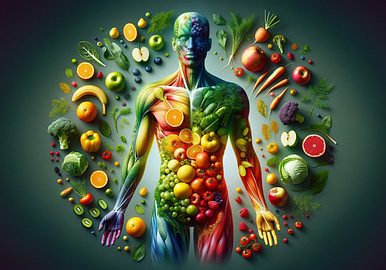
When you hear the word “nutrients,” your mind probably goes straight to vitamins, minerals, protein, or maybe even superfoods. All good answers.
But when you come across terms like essential and non-essential nutrients, it can get confusing. Do “non-essential” nutrients mean you don’t actually need them? And if so, why do they matter?
Let’s clear this up—because your body relies on both. Just in different ways.
What Are Essential Nutrients?
“Essential” doesn’t mean more important. It simply means your body can’t make these nutrients on its own, so you must get them through food (or supplements if necessary).
Think of them as the basics your body would never skip from its weekly shopping list.
The essential nutrients include:
- Vitamins: A, C, D, E, K, and the B-complex family
- Minerals: magnesium, zinc, calcium, iron, selenium
- Essential fatty acids: omega-3s like EPA and DHA
- Essential amino acids: the protein building blocks your body can’t produce on its own
- Water: yes, it’s technically an essential nutrient
- Carbohydrates: debated, but your brain runs best with some glucose
These nutrients keep your body functioning, your brain sharp, your hormones balanced, and your cells healthy.
What Are Non-Essential Nutrients?
The term “non-essential” can sound misleading. It doesn’t mean they’re optional. It just means your body has the ability to make them—assuming everything else is working properly and you’re getting the right raw materials.
Some important examples include:
- Glutamine – An amino acid your body produces, though under stress you may need more than you can make.
- Creatine – Made in small amounts by your liver, but additional intake can support energy, especially for athletes.
- Cholesterol – Yes, your body makes it, and it’s critical for hormone production and brain function.
- CoQ10 – A compound your body produces for energy and heart health, but levels naturally decline with age.
- Plant antioxidants (like polyphenols and flavonoids) – Not classified as “essential” in textbooks, but they’re powerful for long-term health and cellular protection.
The catch is that even though your body can make these, it doesn’t always make enough. Stress, poor sleep, chronic illness, or nutrient deficiencies can lower production and leave you running on empty.
Why Both Matter
- Essential nutrients are your daily non-negotiables—the things your body literally can’t function without.
- Non-essential nutrients are your backup support. They give your system extra resilience, especially in today’s world where stress, toxins, and nutrient-depleting habits are constant.
Many common symptoms—like fatigue, brain fog, mood swings, inflammation, or cravings—can be traced back to nutrient imbalances. Which is why understanding both categories matters more than most people realize.
Want to Know What Your Body Is Missing?
At SoulQuirk, I offer intuitive energy healing sessions that can include nutrient testing, so we can explore:
- Which essential nutrients you may be low in
- Whether your body is struggling to make enough of the non-essentials
- Which foods or supplements are most supportive for your system
- How emotional or energetic blocks might be draining your nutrient reserves
Using tools like the Emotion Code, Body Code, and resonance testing, we’ll uncover what your body actually needs—so you can stop guessing and start nourishing yourself effectively.
[Explore More About Nutritional Resonance Testing] and let’s support your body from the inside out, with both the essentials and the deeper energetic support that makes balance possible.
If this article sparked your curiosity, come explore more at SoulQuirk.com
Related Content

How Childhood Conditioning Blocks Self-Love (And How to Heal It)

Awareness Without Borders: A Playful Look at Nonlocal Consciousness

Why Some Clients See Colors During Energy Work (And What It Means)

From Stuck to Free: The Journey of Energy Release in Healing Sessions

The Holographic Universe: What If Reality Is More Connected Than It Looks?
